
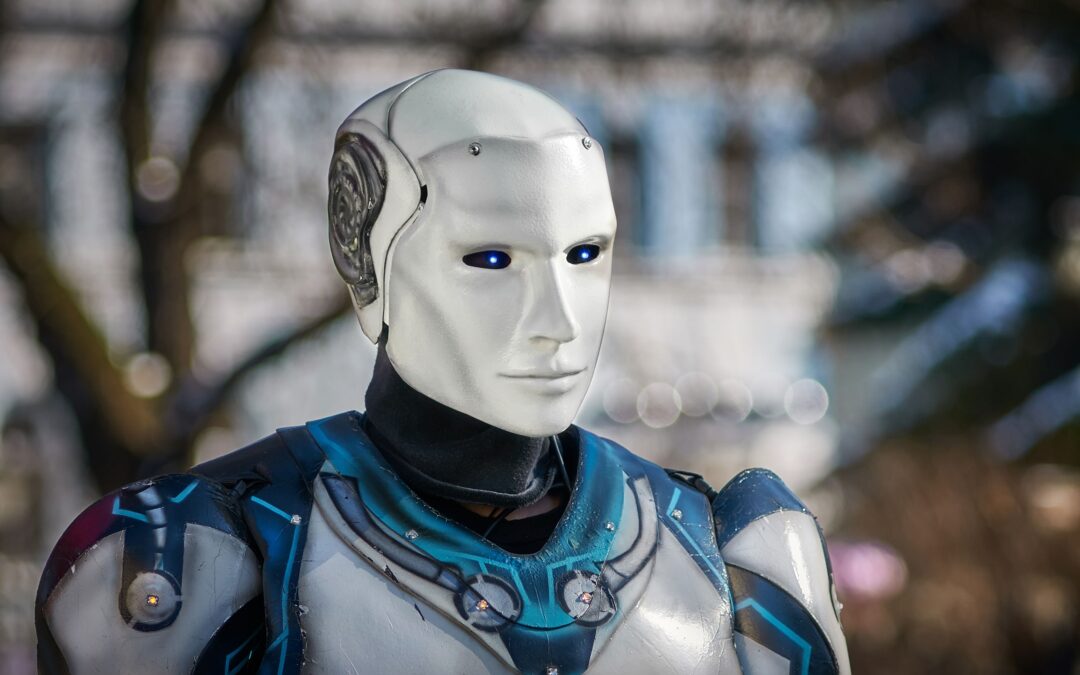
A character’s name is often the first clue readers get about who they are. It can sound adventurous, mysterious, elegant, playful, powerful, or futuristic, creating an impression before the character even appears in a scene. But choosing a memorable name is only the beginning of character development. The next challenge is imagining the person behind it. Does their appearance match their personality? What would they wear? What kind of expression would they have? Would their surroundings change the way you picture them? These questions can be difficult to answer when a character exists only as a few lines of written description.
An AI Avatar Generator can make this creative stage more visual with Higgsfield for character development and visual exploration by helping writers and creators explore different interpretations of a character. You can experiment with hairstyles, clothing, facial features, expressions, colours, settings, and overall styles to see which version feels closest to your original idea. Whether you are developing a novel, comic, game, screenplay, tabletop character, or original character project, creating a visual reference can make the personality easier to understand and the character easier to develop. The process is not about replacing imagination. It is about giving your imagination something tangible to explore, compare, and refine.
Why Does a Character Name Need a Visual Identity?
A name is not just a label. In fiction, it can become part of a character’s personality.
Consider a character named Rowan Vale. The name might suggest a quiet fantasy hero, a detective, or a mysterious traveller depending on the story around it. The visual design can either strengthen that impression or deliberately challenge it.
You might imagine Rowan with a weathered coat and an old notebook, then try a completely different version with modern clothes and a bright colour palette. Seeing both can reveal which direction fits the story. A visual reference can expose details that are difficult to notice. The goal is to create a believable visual identity.
How Can You Turn a Character Name Into a Person?
Start with the character rather than the technology.
Write the name at the top of a page and answer a few simple questions:
- How old are they?
- What kind of person are they?
- Where do they live?
- What do they do?
- What are they afraid of?
- What do they value?
- What kind of clothes would they actually choose?
- Is there an object they always carry?
NameGenefy’s character focused content takes a similar creative approach, treating names as part of the wider process of developing characters for different genres and story settings. Its character name generator is designed around that use case.
Once those basics are clear, an AI Avatar Generator can help you explore the visual side of the idea.
You do not need a perfect description on the first attempt. A rough concept is enough to begin.
Which Visual Details Matter Most?
Some details have more influence on a character than others. Start with the features that make the person recognisable. Hair, age, clothing, posture, expression, accessories and colour palette can all play a role. But they should have a reason to be there.
A quiet librarian might wear practical clothing and carry a stack of books. A rebellious musician might have worn boots, layered clothing and an instrument case. A royal character could have formal clothing, carefully chosen jewellery and a controlled expression.
An AI Avatar Generator can help you compare these choices without committing to one design immediately.
The best visual details often come from the character’s life. Ask what the person would realistically own, wear, carry and choose. That small shift can make an avatar feel much more connected to the story.
Can Personality Change the Way a Character Looks?
It should. A character’s appearance does not need to explain their entire personality, but it can give the audience useful clues.
A confident character might stand differently from someone who constantly doubts themselves. A practical person may dress for comfort rather than attention. Someone obsessed with status may care more about polished clothing and expensive accessories.
With an AI Avatar Generator, you can experiment with these subtle differences. Create one version with a reserved expression and simple clothing, then another with stronger colours and a bolder style. The comparison can reveal which direction fits. There is no universal rule. The interesting part is deciding what visual choices make sense for your character.
How Should You Write a Prompt for a Character Avatar?
A useful prompt reads more like a character brief than a shopping list of visual effects.
Instead of writing:
young fantasy character, beautiful, cinematic
give the model information about the person.
For example:
A 26 year old reserved fantasy cartographer named Elara Vale, thoughtful expression, shoulder length dark hair, practical leather travel coat, worn map case, simple silver pendant, sturdy boots, standing inside an old observatory, warm evening light, muted earth tones.
The second description establishes a person rather than simply requesting an attractive portrait. An AI Avatar Generator can work with that kind of information to explore a visual interpretation. You can then adjust individual details instead of rewriting the entire concept.
If the character looks too formal, change the clothing. If the face feels too young, adjust the age. If the setting feels wrong, describe the world more clearly.
Think of the process as sketching, not pressing a button and accepting the first result.
How Can You Explore Different Versions of the Same Character?
One of the most useful things about visual experimentation is that it can challenge your first idea. Imagine you have named a character Mira Thorn. You picture her as a fantasy warrior, but you are not completely sure.
Try three directions:
- A practical traveller with understated clothing.
- A battle worn warrior with visible scars and protective gear.
- A quiet scholar with old books and a more refined appearance.
The name stays the same while the visual interpretation changes.
An AI Avatar Generator makes this kind of comparison easier. Looking at several possibilities can help you decide which version feels most natural.
Sometimes a visual concept suggests a backstory you had not considered or makes you realise that the original name no longer fits. That is part of the creative process.
What Role Can Higgsfield Play in the Workflow?
The Higgsfield AI creative suite brings different creative capabilities into one environment, while its avatar tools are designed around generating and reusing AI characters. The current AI Avatar Generator page describes a library of 40+ ready to use avatars and custom avatar creation through Soul 2.0.
For a writer or creator, the useful part is the ability to move from an idea to a visual reference and then continue developing that character.
Higgsfield also presents avatar workflows that can move beyond a single still image into formats such as UGC, tutorials, product reviews and cinematic spots. The important thing is to start with the character rather than the tool.
How Can You Keep a Character Consistent?
Consistency becomes important when the same person appears more than once. If your character has short silver hair in one image and long black hair in the next, readers may struggle to recognise the connection. The same can happen with clothing, facial features, age, or other defining traits.
Create a character reference before making lots of images. Record age, hair, eyes, facial features, body type, clothing, colours, accessories, personality and distinctive features.
An AI Avatar Generator can then be used with those details when you need another version of the character. Higgsfield’s current avatar page highlights custom avatars, reusable saved avatars and consistent identity across generations through its Soul 2.0 avatar model. Those capabilities can be useful when a character needs to remain recognisable across a larger project.
Review each result. Consistency tools can help, but the creator still decides whether the character looks right.
What Mistakes Should You Avoid?
The first mistake is trying to describe everything at once. Too many details can make the character feel unfocused. Start with the essentials and add secondary traits after you understand the basic direction.
Do not design every character to look conventionally attractive. Memorable characters can have ordinary, unusual, awkward, or distinctive features.
Also avoid choosing an appearance simply because it looks impressive. Clothing should suit the setting, accessories should have a reason and historical or cultural details should be researched. An AI Avatar Generator is a creative aid, not a substitute for research. If the first image feels wrong, change the description and try again.
How Can You Refine the First Avatar?
Treat the first result as a draft. Look at it carefully and identify the strongest part. Perhaps the face works perfectly, but the clothing does not. Maybe the expression captures the personality, but the setting feels completely wrong. Change one or two elements at a time.
An AI Avatar Generator becomes more useful when you treat the process as visual editing and experimentation rather than a single generation task.
Higgsfield’s current avatar workflow includes custom avatar generation, reusable avatars and different creative modes, which can support creators who want to take one character concept into different types of content.
For a longer project, save the character description and strongest visual references.
What If the Avatar Changes the Way You Feel About the Name?
This is one of the more interesting parts of the process. An AI Avatar Generator can make that reaction easier to see.
Sometimes a name sounds perfect until you see the character. You might create a visual for “Cassian Reed” and realise that the character feels more like a “Julian Reed.” Or perhaps the opposite happens: an unusual face and outfit make a previously uncertain name suddenly feel exactly right.
The process becomes:
Name → character description → visual concept → reaction → revised character or name
The image should not determine the story; it simply gives you another way to evaluate an idea. For creators who enjoy experimenting, that can be one of the most enjoyable parts of the process.
How Do You Know When the Character Is Ready?
A character does not need a perfect portrait before you move forward. An AI Avatar Generator is useful when you need to compare a few final directions.
You are probably ready when the important pieces agree. The name should feel appropriate. The personality should make sense with the appearance. The clothing should fit the setting. The distinctive features should be memorable without being excessive.
Most importantly, you should be able to imagine the person doing something beyond standing in a portrait.
Could you picture them entering a room? Having an argument? Running through their city? Sitting at their desk? Talking to another character? If the answer is yes, the visual concept is doing its job.
Frequently Asked Questions
Can I create an avatar from just a character name?
Yes, but the result will usually be more useful if you add information about personality, age, setting, appearance, clothing and other defining traits.
Is an AI avatar useful for writers?
Yes. It can provide a visual reference while writing and help creators make decisions about appearance, clothing, personality and world building.
Can I use one character in multiple creative projects?
You can reuse a character concept across different projects, but you should check the specific tool’s usage rights and make sure you have the necessary rights to any reference images or real people’s likenesses you use.
Conclusion
A character’s name provides readers with an initial idea, but an image could make the character simpler to imagine. An AI Avatar Generator provides creators and writers with the opportunity to study this identity without having decided on the first thought that pops into your head. You can look at different appearances, try on clothes and personalities, as well as find details that were hard to explain in words.
The strongest results still come from the creator. The name, personality, world and story should come first. The generated visual simply gives those ideas a form you can examine and refine.
Higgsfield can fit into that process when a creator wants to take a character beyond a single visual reference and explore additional avatar or video possibilities. Higgsfield also supports broader creative workflows for creators who want to keep developing the concept.
Start with the name. Build the person behind it. Use an AI Avatar Generator when you want to test the visual direction. A memorable character does not begin with a perfect picture. It begins with an idea that is strong enough to make you want to see what that person could become.